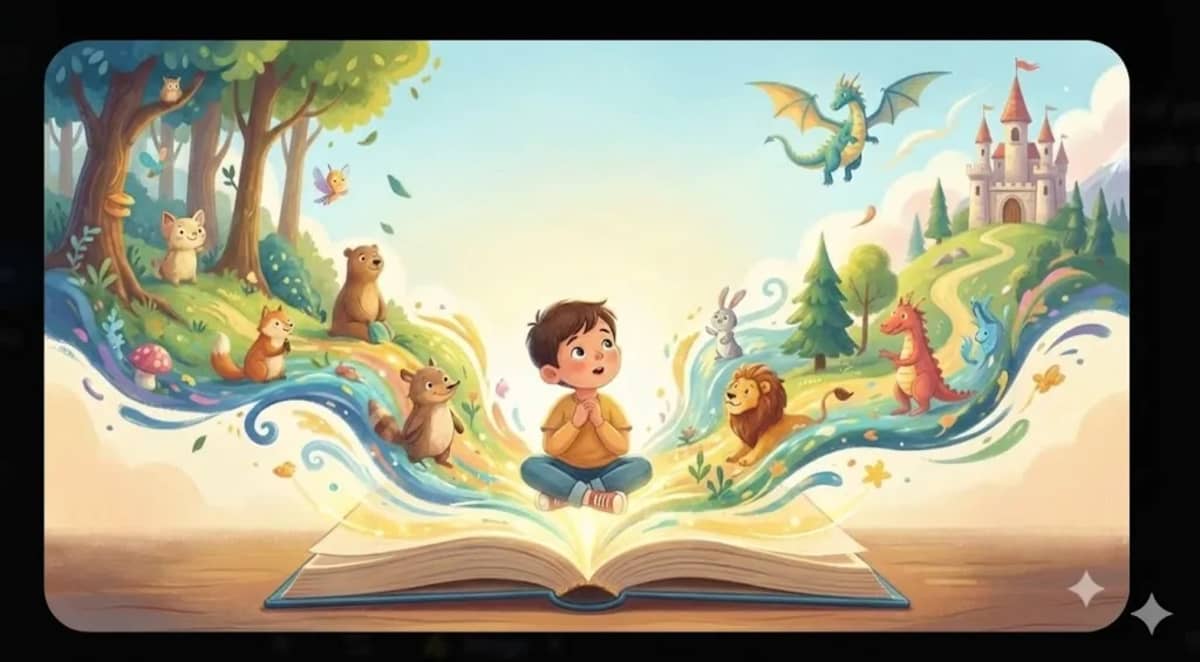
For young readers, the pictures ARE the story. Discover how professional illustration captures imagination and drives book sales.
Writing a children's book is a unique challenge because you are writing for two audiences simultaneously: the child who listens and looks, and the parent who reads and buys. But for the child—the primary consumer—the text is secondary. The illustrations ARE the story.
In the pre-literate and early-literate stages (ages 0-6), children "read" pictures to understand the narrative. They look for cues in facial expressions to understand emotion. They look at the background to understand the setting. They look for hidden details that the text doesn't mention. Visual storytelling is not just decoration; it is the engine of the book.
Character Design: The Emotional Hook
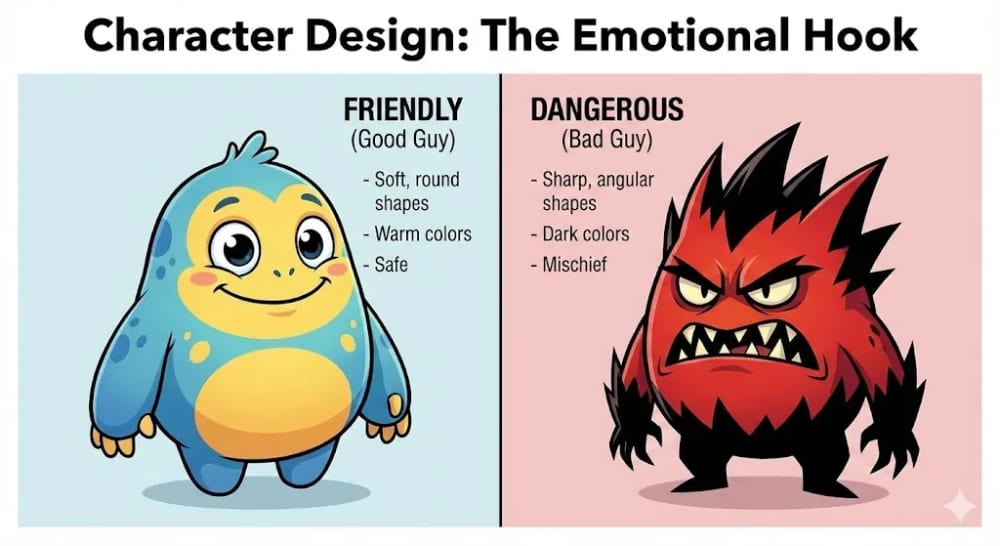
The most memorable children's books have iconic characters. Think of The Very Hungry Caterpillar, The Cat in the Hat, or Pigeon. Creating a character isn't just about drawing a cute animal. It's about shape language and personality.
Round shapes suggest friendliness and safety (good guys). Sharp, jagged shapes suggest danger or mischief (bad guys). Color plays a huge role—bright, primary colors attract younger eyes, while softer pastels suit bedtime stories. Consistency is key; if your character’s nose changes shape on page 12, the child will notice and it breaks the immersion. Our illustrators create detailed "Character Sheets" before the book starts to ensure the protagonist looks consistent from every angle and emotion.
Pacing and The Page Turn
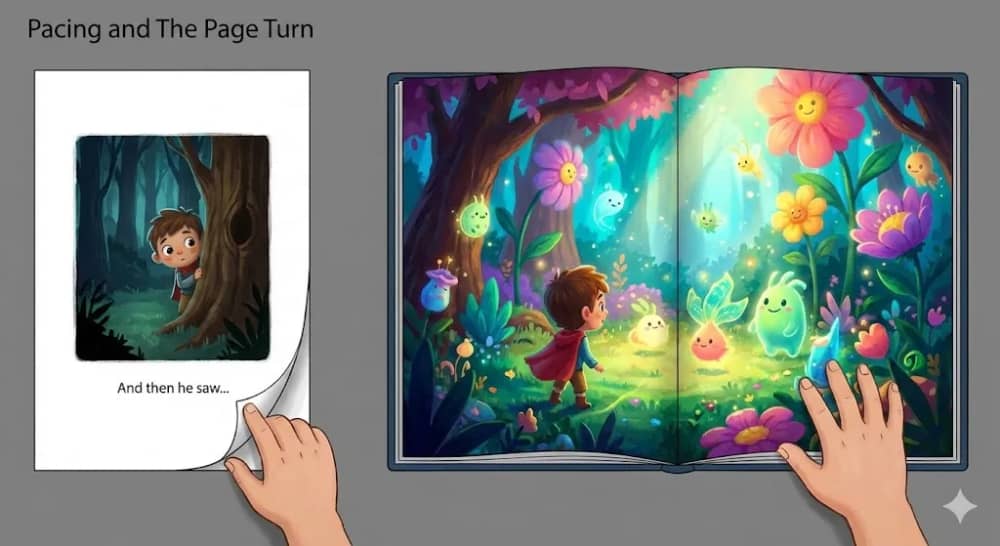
A picture book is a piece of theatre directed by the page turn. The illustrator controls the flow of time. A series of small vignette illustrations on one page can speed up time or show a sequence of actions. A full double-page spread (bleeding off the edges) stops time, asking the reader to pause and soak in a big moment.
The "Page Turn" is a dramatic tool. The text might say, "And then he saw..." and the child has to physically turn the page to reveal the surprise illustration. Good illustration works hand-in-hand with the text to build this suspense and release. It is this depth of craft that separates our children's book illustrators from template-based services.
World Building in the Background
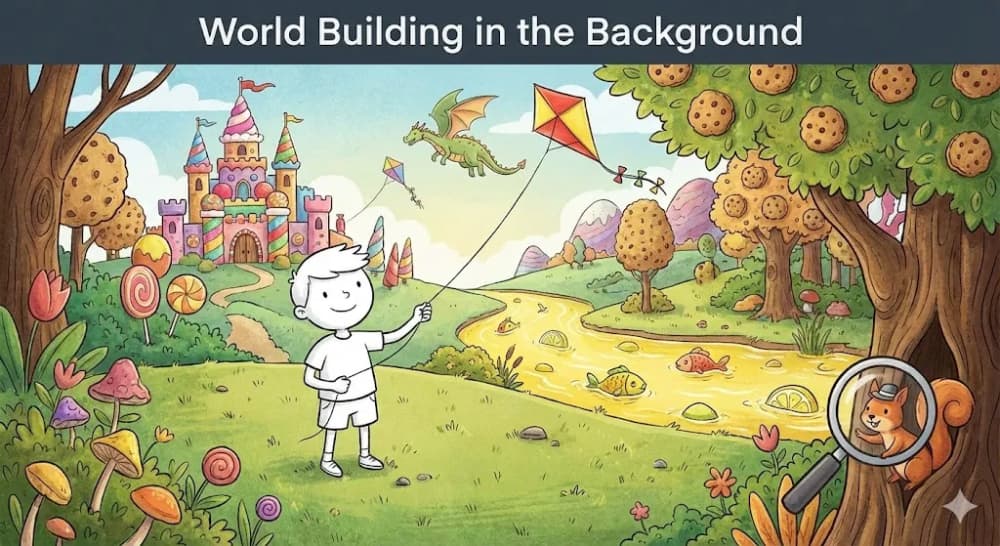
The text of a picture book is sparse, often under 500 words. This leaves a massive gap for the illustrator to fill with "World Building." The text might simply say "Use your imagination," but the illustration can show a castle made of candy, a dragon flying a kite, and a river of lemonade.
These background details add "Re-readability." Parents know the pain of reading the same book 100 times. Rich, detailed illustrations give the child something new to spot on the 50th read—a ladybug hiding on every page, or a subplot happening with a squirrel in the background. This depth makes a book a favorite.
Bring your story to life with our children's book illustration packages starting from €1,699 — full colour, print-ready, and KDP-formatted.
At Designing Dose, we are visual directors, not just illustrators. We help authors translate their words into a visual language that captivates young minds and stands out on every bookshelf and Amazon thumbnail. Our children's book illustration packages start from €1,699 for a fully illustrated Standard Story, print-ready and KDP-formatted. Share your manuscript with us and we will send back a sample spread so you can see the quality before you commit to anything.