From AI-driven layouts to immersive 3D experiences, discover the web design trends that are redefining how businesses connect with customers online.
The digital landscape is shifting rapidly. As we move deeper into 2026, the concept of a website has fundamentally changed. It is no longer just a digital brochure or a static collection of pages; it is a dynamic, living entity that interacts with users in real-time. For businesses, keeping up with these changes is not just about aesthetics—it is about survival. A website that looks like it was built in 2020 feels ancient to a user in 2026, and that perception directly impacts trust and conversion rates.
In this comprehensive guide, we are going to explore the five most transformative trends shaping web design today. These aren't just passing fads; they are the new standards for user experience (UX), performance, and engagement. Whether you are a small local business or a large enterprise, integrating these elements into your digital presence is crucial for staying competitive.
1. AI-Generated Imagery and Dynamic Layouts
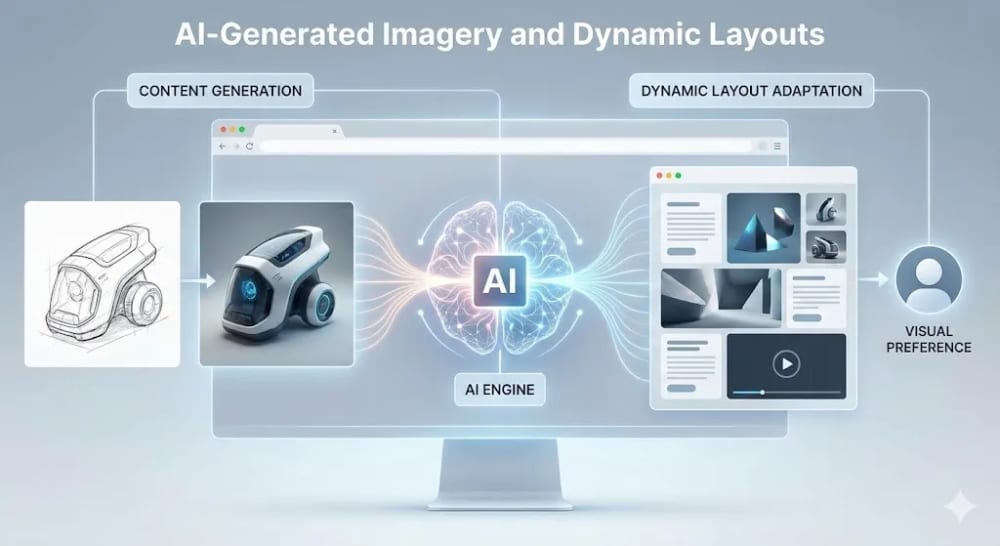
Artificial Intelligence has graduated from a novelty to a core design tool. In 2026, we are moving away from generic stock photography that everyone ignores. Instead, designers are leveraging generative AI to create bespoke, hyper-relevant imagery that perfectly matches a brand’s color palette, tone, and message.
But it goes beyond just images. We are seeing the rise of "Dynamic Layouts." Traditional websites serve the exact same page to every visitor. AI-driven websites can now subtly shift layouts based on user behavior. If a user prefers reading, the site might emphasize typography and minimize distractions. If a user is visual, the site might prioritize video content and galleries. This level of personalization increases dwell time and significantly boosts conversion rates because the website feels tailor-made for the individual.
2. Micro-Interactions & Motion UI
Static pages are a relic of the past. The modern web is in motion. However, we aren't talking about the flashy, distracting animations of the early 2000s. We are talking about refined, purposeful motion known as "Micro-interactions." This level of engagement is particularly crucial for mobile app development, where tactile feedback defines the experience.
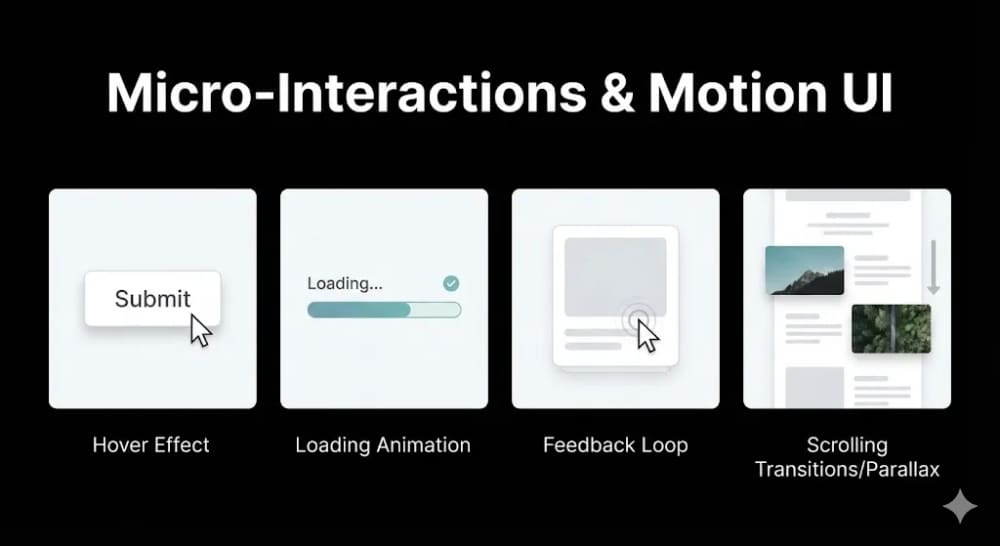
Micro-interactions are subtle animations that provide immediate feedback to the user. They bridge the gap between the physical and digital worlds. Think of the way a button physically depresses when you push it in real life. On the web, a button should scale down slightly or glow when clicked to confirm the action. A card might lift up with a shadow when hovered over, signaling it is clickable. These small details might seem insignificant on their own, but collectively, they create a sense of polish and responsiveness that static sites simply cannot match.
- Loading Animations: Keeping the user engaged while content fetches.
- Hover Effects: Providing cues on interactivity.
- Scrolling Transitions: Parallax effects that create depth and immersion.
- Feedback Loops: Visual validation for form submissions or errors.
3. Dark Mode is the Default
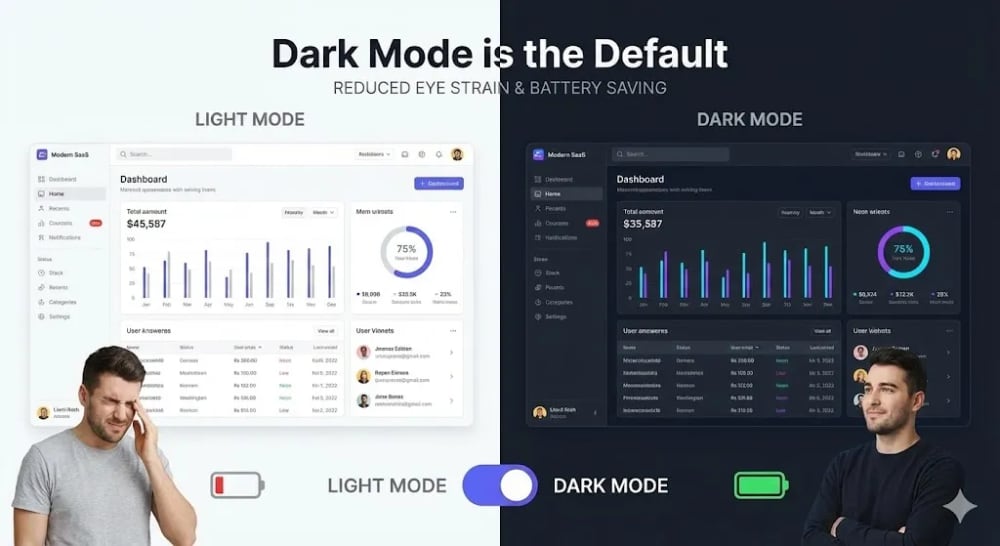
Dark mode is no longer an optional toggle tucked away in settings; for many industries, it is the default design language. With users spending 10+ hours a day on screens, eye strain is a genuine health concern. Dark interfaces reduce blue light exposure and save battery life on OLED screens.
From a branding perspective, dark mode exudes a premium, modern, and high-tech vibe. It allows vibrant accent colors (neons, gradients, and metallics) to pop in ways they simply cannot on a white background. For this reason, your logo and brand colours need to be designed with dark mode in mind from the start. We are seeing a "Dark Mode First" philosophy take over in SaaS, fintech, entertainment, and luxury e-commerce. If your website is blindingly white in 2026, you are likely driving users away simply because looking at your site is physically uncomfortable.
4. Mobile-First is Now Mobile-Only
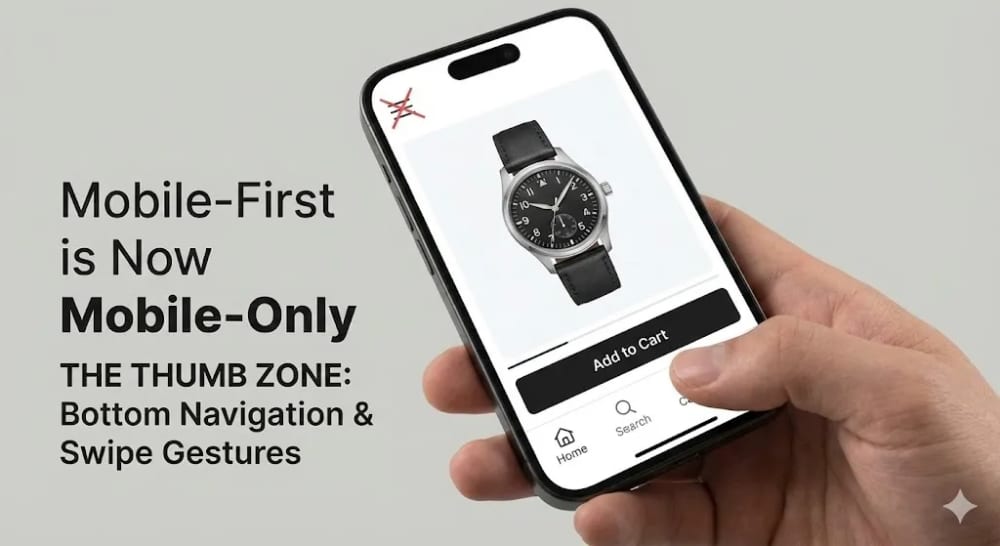
Google has been preaching "Mobile-First" indexing for years, but the reality has shifted even further. For many B2C businesses, desktop traffic is negligible. We are designing for a "Mobile-Only" mindset. This changes everything about the layout, making a responsive mobile-first website absolute table stakes for business survival in 2026.
The "Thumb Zone" is the new golden ratio. Navigation bars are moving to the bottom of the screen (similar to apps) because phones are too large to reach the top comfortably with one hand. We are seeing the death of the "hamburger menu" in favor of swipe gestures and bottom tab bars. Content must be vertically stackable, legible without zooming, and buttons must be large enough to tap without error. If a user has to pinch-to-zoom, you have already lost the sale.
5. Immersive 3D and WebGL Experiences
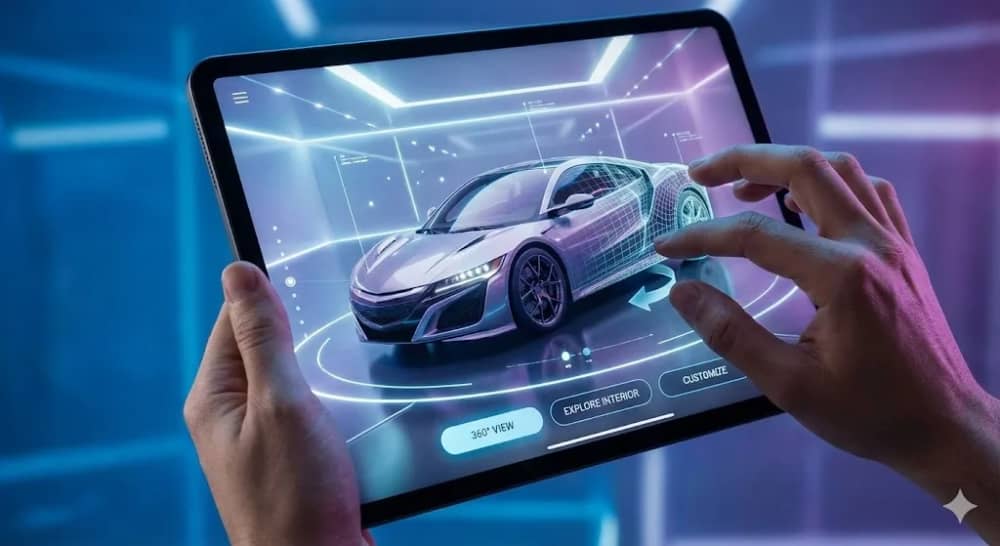
With internet speeds increasing (thanks to 5G and fiber everywhere) and browser capabilities improving, web designers are pushing the boundaries of dimension. Flat design is being replaced by immersive 3D experiences powered by WebGL and Three.js.
This doesn't mean your whole site needs to be a video game. It means incorporating 3D elements to showcase products. Instead of a static photo of a shoe, users can rotate a 3D model, zoom in on the texture, and see it from every angle. Real estate sites offer 3D walkthroughs directly in the browser. Service businesses use 3D abstract art to convey complexity and innovation. These experiences stop the scroll. They demand attention and interaction, creating a memorable brand experience that flat 2D images cannot compete with. For explainer videos, consider our Video Animation services to bring these concepts to life.
"Design is not just what it looks like and feels like. Design is how it works. - Steve Jobs"
The web of 2026 demands both technical precision and creative vision. At Designing Dose, we do not just follow these trends; we build with them. Our website packages start from €199 and cover everything from mobile-first responsive layouts to dark mode design and motion UI. Book a free discovery call and we will show you exactly what your site should look like this year.