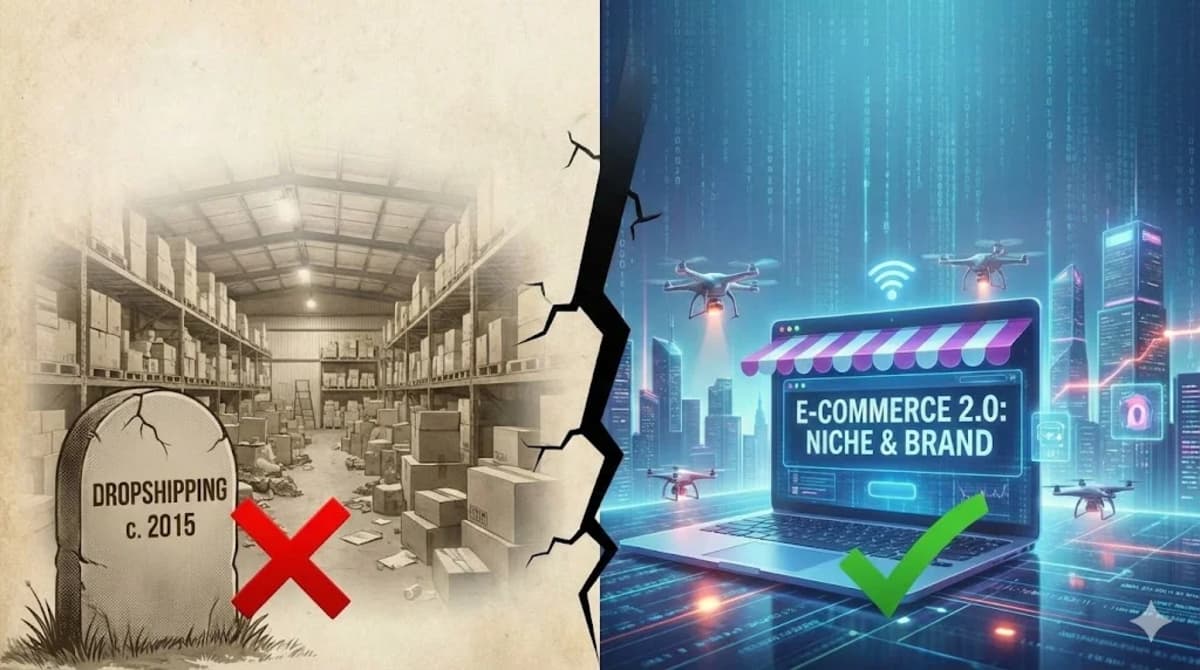
Many claim dropshipping is oversaturated. We debunk the myths and share the blueprint for building a profitable, automated e-commerce empire today.
It is a question we hear almost daily: "Is dropshipping dead?" You have probably seen the YouTube thumbnails claiming "The End of Dropshipping" or read forum posts from frustrated beginners who lost money on Facebook ads. It is easy to look at the landscape and assume the ship has sailed.
But here is the reality: Dropshipping is not a business model; it is a fulfillment method. As long as people buy goods online, and as long as suppliers are willing to ship those goods directly to customers, dropshipping will exist. What IS dead, however, is the lazy, low-effort approach that worked in 2016. The days of throwing up a generic e-commerce website with pixelated images from AliExpress and running cheap ads are over. The market has matured, and to succeed in 2026, you must mature with it.
The Evolution: From General Store to Micro-Brand
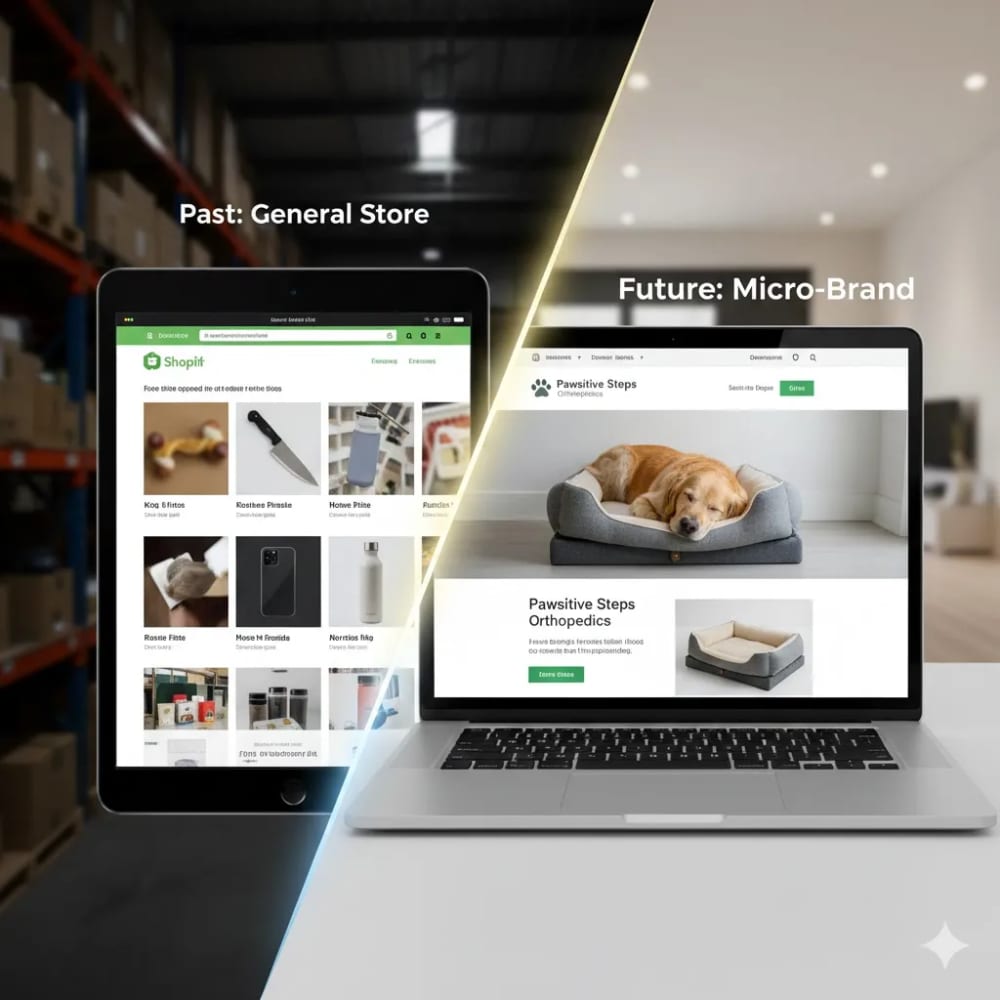
The biggest shift in the last few years has been the death of the "General Store." Customers are savvy. They trust specialists, not generalists. If you sell dog toys, kitchen knives, and phone cases on the same website, you look like a flea market, not a brand. The winning strategy for 2026 is building a "Micro-Brand" around a specific niche.
This means finding a specific problem for a specific group of people. Instead of "Fitness Gear," drill down to "Post-Partum Recovery Equipment for New Moms." Instead of "Pet Supplies," focus on "Orthopedic Beds for Senior Dogs." When you speak directly to a narrow audience, your marketing becomes cheaper and more effective because your message resonates deeply.
The Logistics of Trust: Shipping Times Matter
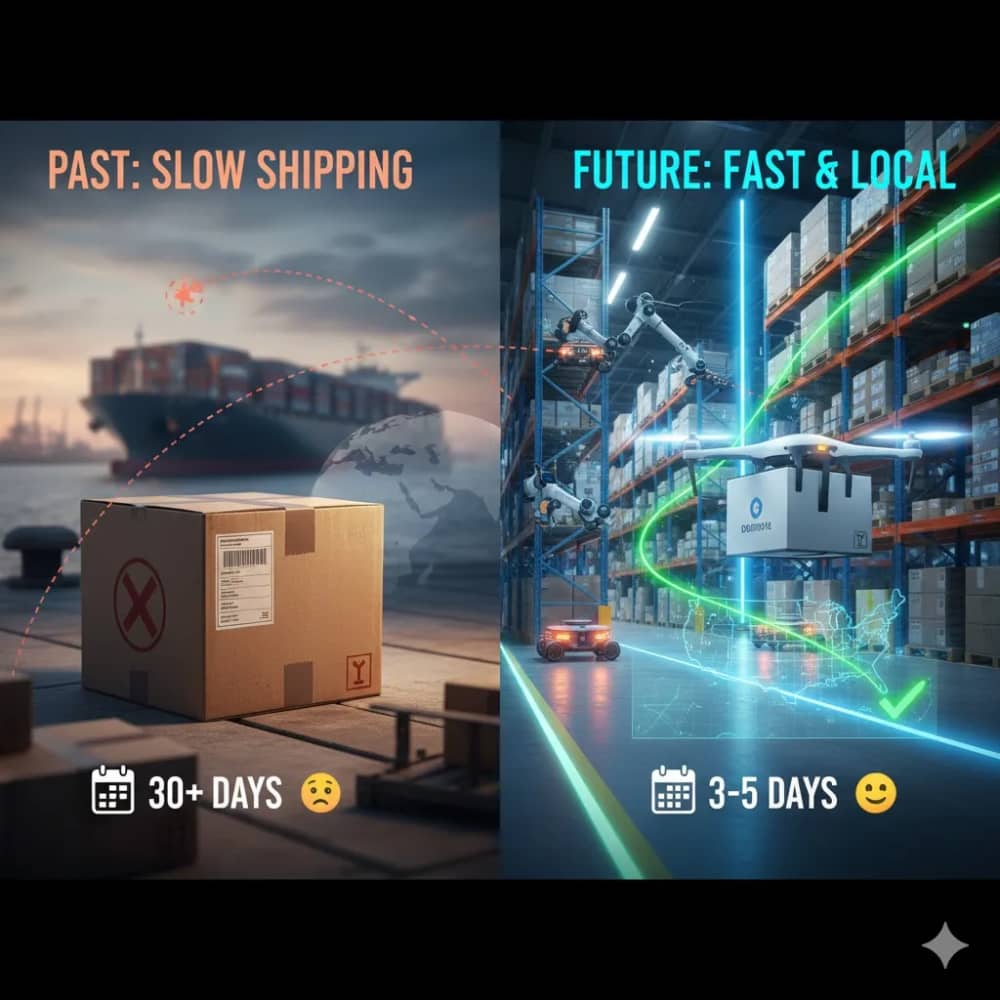
The Achilles heel of dropshipping has always been shipping times. In the age of Amazon Prime, customers expect 2-day delivery. Waiting 30 days for a package from China is a guaranteed way to get chargebacks and bad reviews. To survive in 2026, you cannot rely on standard ePacket shipping.
Successful dropshippers are now using private agents and 3PL (Third Party Logistics) centers. Once a product is validated, they move inventory to local warehouses in the US or Europe to cut shipping times down to 3-5 days. This is exactly the supplier infrastructure we integrate when building your dropshipping store, so you are not setting this up from scratch on day one.
Content is the New Ad Spend
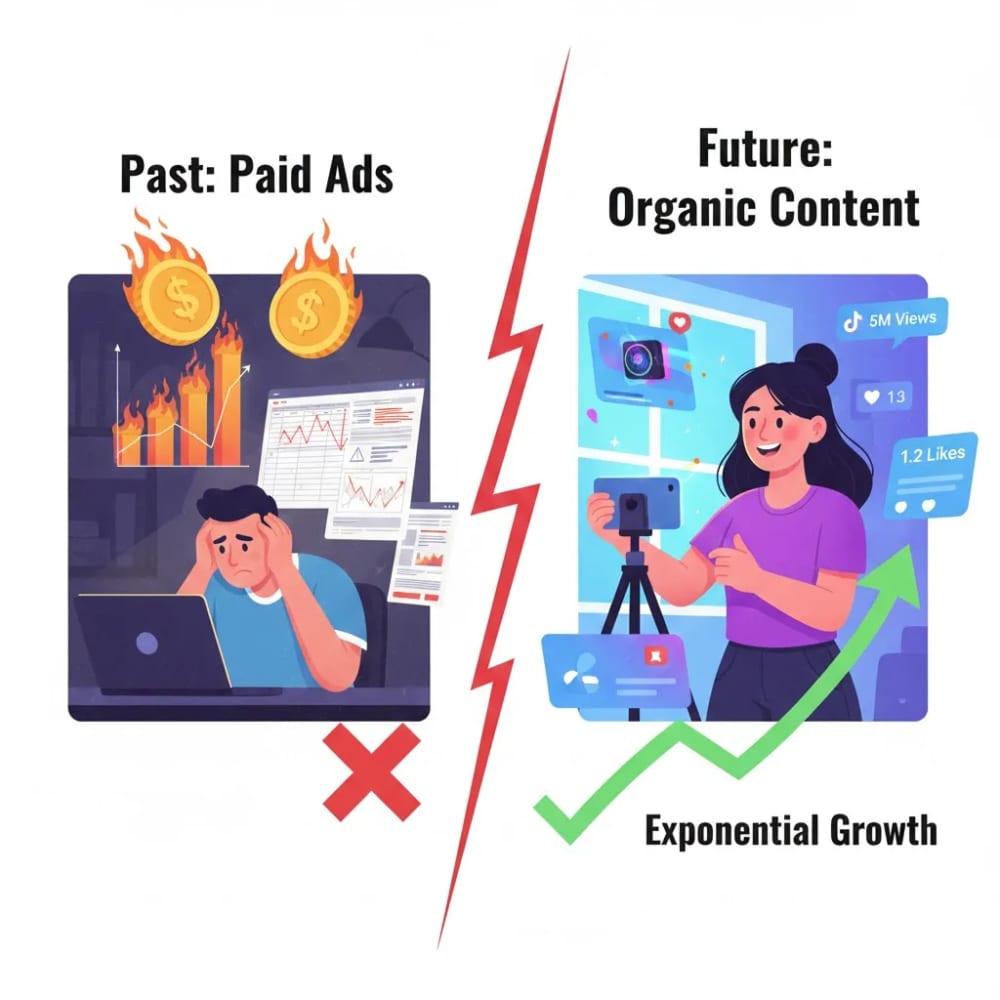
Ad costs on Facebook and Google have risen year over year. If you rely 100% on paid ads with thin margins, one bad day can wipe out your profits. The solution? Organic content. TikTok and Instagram Reels have democratized marketing. You can generate millions of views for free if your content is engaging.
We are seeing dropshipping brands explode purely through organic viral videos. They order the product to their house, film creative, funny, or satisfying videos, and post 3-4 times a day. This "Organic Validation" method allows you to test products without burning cash on ads. Once a video goes viral, THEN you put Social Media ad spend behind it to fuel the fire.
Branding is Your Only Moat
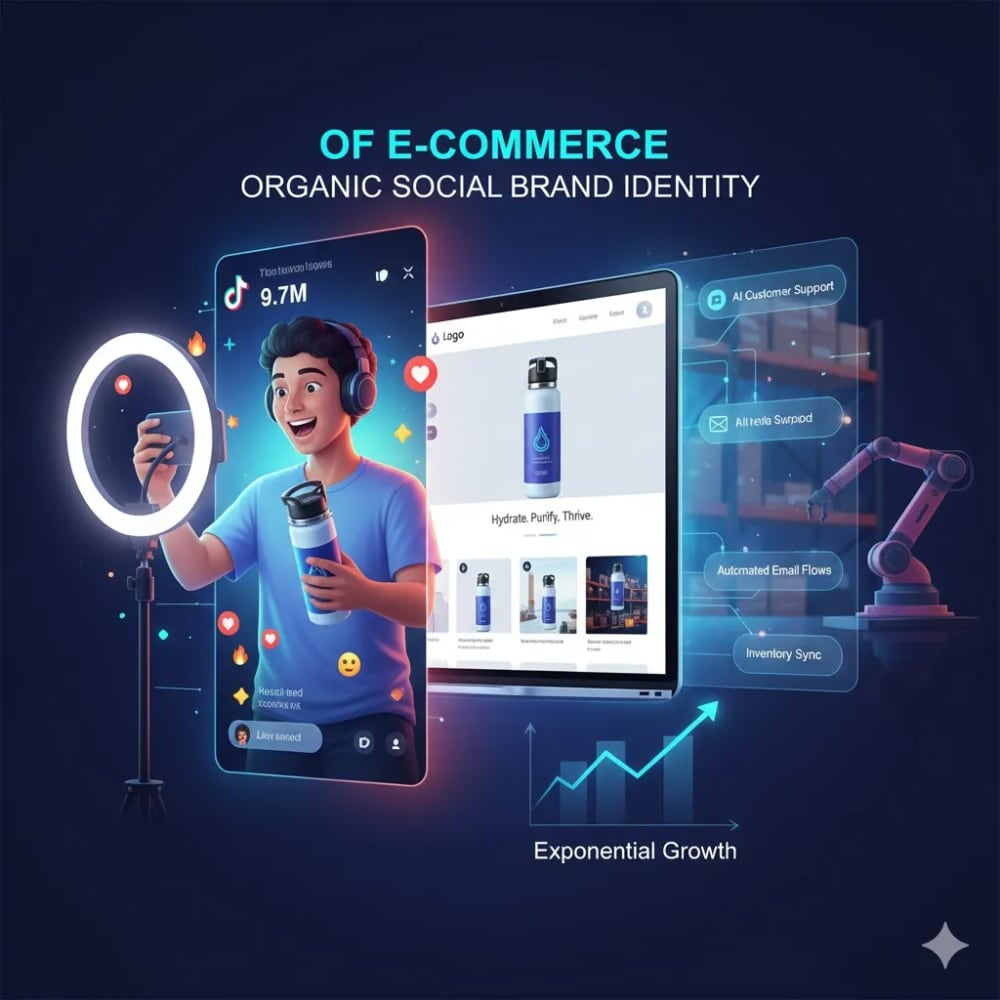
In dropshipping, you don't own the product. Anyone can sell what you are selling. So why should they buy from you? The answer is your Brand.
- Visual Identity: A professional logo and cohesive logo design, consistent color palette, and high-quality custom fonts.
- Copywriting: Product descriptions that sell benefits, not features. Don't say "Plastic housing." Say "Durable, lightweight design built to last."
- Customer Experience: Custom packaging, thank you notes, and instant customer support responses.
- Social Proof: curated reviews, user-generated content, and influencer endorsements.
The Automation Advantage
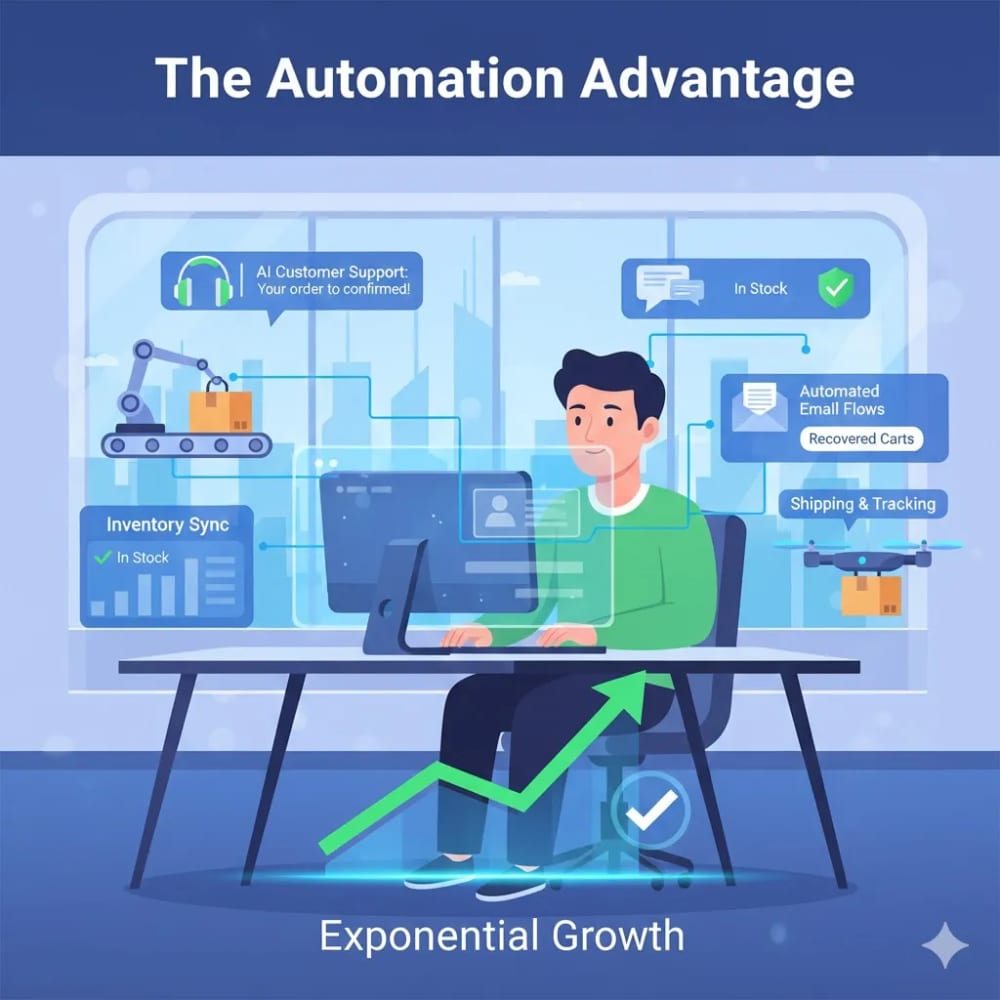
One of the greatest benefits of the modern dropshipping ecosystem is the software stack. You can now automate almost every aspect of the business. Apps can automatically sync inventory levels so you never sell a product that is out of stock. AI chatbots can handle 80% of customer service queries like "Where is my order?" instantly. Email flows can automatically recover abandoned carts and upsell customers post-purchase. This allows a single person to run a business that generates 6-7 figures in revenue.
Dropshipping is far from dead. It has simply shed its amateur skin and become a serious business model for serious entrepreneurs. At Designing Dose, we build Shopify stores that meet 2026 standards: branded, niche-focused, supplier-integrated, and automated from day one. Our dropshipping packages start from €999. Book a free call and we will tell you exactly which niche to go after and what it will take to compete in it.